
Introduction
The spontaneous death of a fetus before the twentieth week of pregnancy is known as a miscarriage. Stillbirths are pregnancy losses that occur beyond the twentieth week. Unlike pharmaceutical abortions or abortion treatments, miscarriages occur naturally.
Another term for a miscarriage is a “spontaneous abortion.” Other names for early pregnancy loss include:
- An incomplete abortion occurs when only a portion of the fetus leaves the body.
- Complete abortion: The body expels all of the tissue that was created at conception.
- The uterine lining and any leftover products of conception become infected in an infected (septic) abortion.
- A missed abortion occurs when a pregnancy fails and the resulting products remain inside the body.
Another word your doctor may use is “threatened miscarriage.” Abdominal cramps with or without vaginal bleeding are the condition’s symptoms. They are an indication that a miscarriage might take place.
Causes of Miscarriage
The majority of miscarriages are brought on by chromosome issues that prevent the fetus from developing. Rarely, the mother’s or father’s genes are linked to these issues.
The following are additional potential reasons for miscarriage:
- Severe systemic (body-wide) illnesses in the mother (e.g., uncontrolled diabetes).
- Physical issues with the reproductive organs of the mother.
- Issue affecting the immunological response of the body.
- Blood clotting disorders
- Obesity
- Hormone problems
Approximately 50% of all fertilized eggs spontaneously die and are lost (aborted), typically before the mother is aware that she is pregnant. Ten to twenty-five percent of women who are aware that they are pregnant may miscarry. The first seven weeks of pregnancy are when the majority of miscarriages happen. Once the fetus’s heartbeat is found, the miscarriage rate decreases.
Miscarriage risk is increased:
- Among females who have experienced one or more miscarriages in the past.
- For older women, the risk rises after the age of 30, reaches its peak after the age of 40, and then rises even further between the ages of 35 and 40.
Symptoms
The following are some potential signs of miscarriage:
- Vaginal bleeding, with or without abdominal cramps
- Clot-like substance or tissue that exits the vagina
- Dull, severe, or cramping pain in the low back or abdomen
At first, some women might not exhibit any symptoms.
Treatment of miscarriage
It is important to inspect the tissue that passes from the vagina after a miscarriage. To ascertain whether it was a typical placenta or a rare ailment called a hydatidiform mole, this is done. Determining whether any pregnant tissue is still present in the uterus is also crucial. Rarely, a miscarriage may appear to be an ectopic pregnancy. Ask your healthcare practitioner if sending the tissue for genetic testing is necessary if you have passed tissue. If there is a treatable reason of miscarriage, this can help identify it.
You can remain under close observation for up to two weeks if the pregnant tissue does not spontaneously leave the body. To remove the leftover contents from your uterus, you could require medication or a treatment (suction curettage, D and C). Women typically return to their regular menstrual cycle 4–6 weeks after treatment. Any more vaginal bleeding needs to be closely watched. Getting pregnant right away is frequently achievable. It is advised that you wait until you have had one regular menstrual period before attempting to conceive again.
Possible Complications
Rarely, miscarriage problems may arise.
Any placental or fetal tissue left in the uterus following the miscarriage could result in an infected abortion. Fever, continuous vaginal bleeding, cramps, and an unpleasant-smelling vaginal discharge are all signs of an infection. Serious infections require prompt medical care.
Medical care is different for women who lose a fetus after 20 weeks of pregnancy. This is known as fetal demise or early delivery. Medical help is urgently needed for this. Women and their spouses may experience sadness following a miscarriage. This is typical. Consult your physician, family, and friends for advice if your depressive symptoms worsen or do not go away. A history of miscarriages does not, however, lower the likelihood of a future healthy child for the majority of couples.
When to Contact a Medical Professional
Speak with your supplier if you:
- During pregnancy, experience vaginal bleeding with or without cramps.
- Detect tissue or a substance that resembles a clot passing through your vagina while you are pregnant. Gather the information and take it to your provider so they may review it.
How Prevent Miscarriage
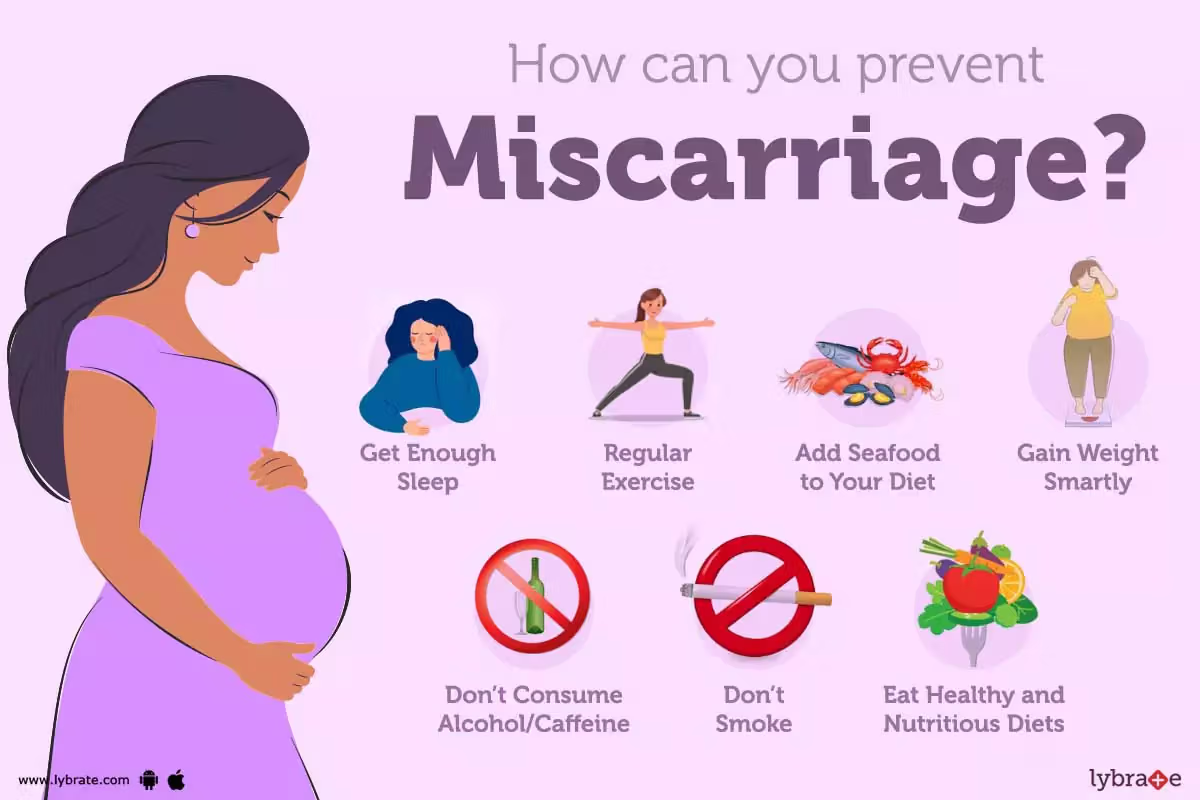
The strongest defense against pregnancy problems like miscarriage is early, comprehensive prenatal care.
By identifying and treating systemic disorders before pregnancy, miscarriages caused by these conditions can be avoided.
Avoiding pregnancy-harming activities also reduces the risk of miscarriages. These include infectious diseases, alcohol, recreational drugs, x-rays, and excessive coffee consumption.
Signs like mild vaginal bleeding may appear when a mother’s body struggles to maintain a pregnancy. This indicates a chance of miscarriage. However, this does not guarantee that one will happen. Pregnant women should call their prenatal care provider right away if they experience any of the warning signs or symptoms of a possible miscarriage.
The risk of miscarriage and several birth problems can be significantly reduced by taking a prenatal vitamin or folic acid supplement prior to becoming pregnant.